

Experience The Best Duck Hunting Adventures On Earth
Ramsey Russell | 601.214.9737 | Contact Us | PO Box 873 | Brandon, MS 39043
Ramsey Russell’s GetDucks
The world’s best duck hunting and wingshooting adventures
You didn’t arrive to GetDucks.com by accident. You are here because you are a serious duck hunter. You want the hunt of a lifetime. And you know that it’s always duck season…somewhere.
You’ve come to the right place. Now 20 years in business, we specialize in worldwide waterfowl hunting and wingshooting. It’s not only what we do – it’s all we do. We don’t sidetrack ourselves with big game and fishing (but both are available at many destinations). We’ve personally hunted each destination many times. GetDucks reputation is backed by 20-plus years delivering real duck hunts for real duck hunters. Solo hunters also welcomed—See worldwide duck hunts hosted by Ramsey Russell (Updated).
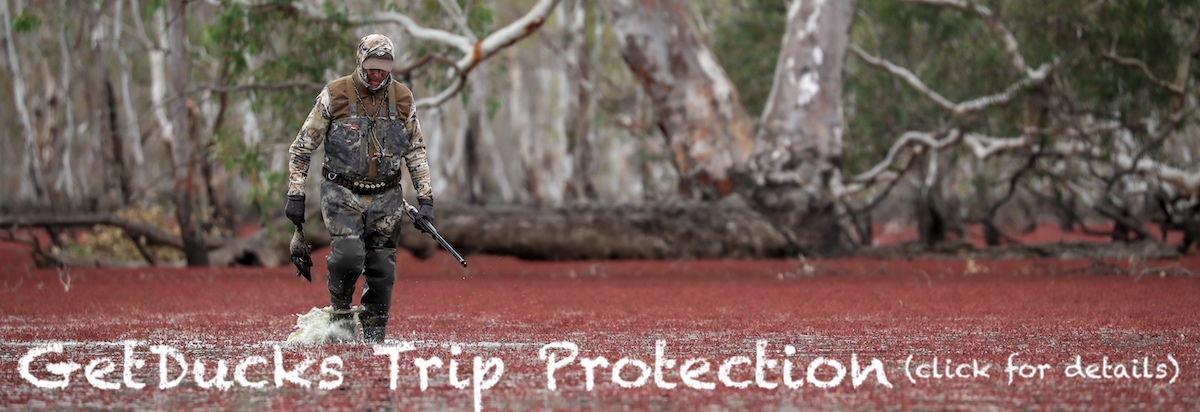
*NEW* GetDucks Comprehensive Outdoor Trip Protection powered by Global Rescue. To protect your hunt-of-a-lifetime, we now offer superior travel protection at the most competitive rates available. Added to each GetDucks reservation, it is available to anyone traveling anywhere.
** Special Conservation Feature ** BATTLEGROUND AUSTRALIA Documentary, a collaborative project among US and Australian hunters, scientists and conservationists to collect invaluable scientific data. Special thanks to Safari Club International, Field and Game Australia and others. This project is extremely important because in the absence of meaningful science, Australia anti-hunters threaten a continuation of sustainable hunting.

Featured Hunts
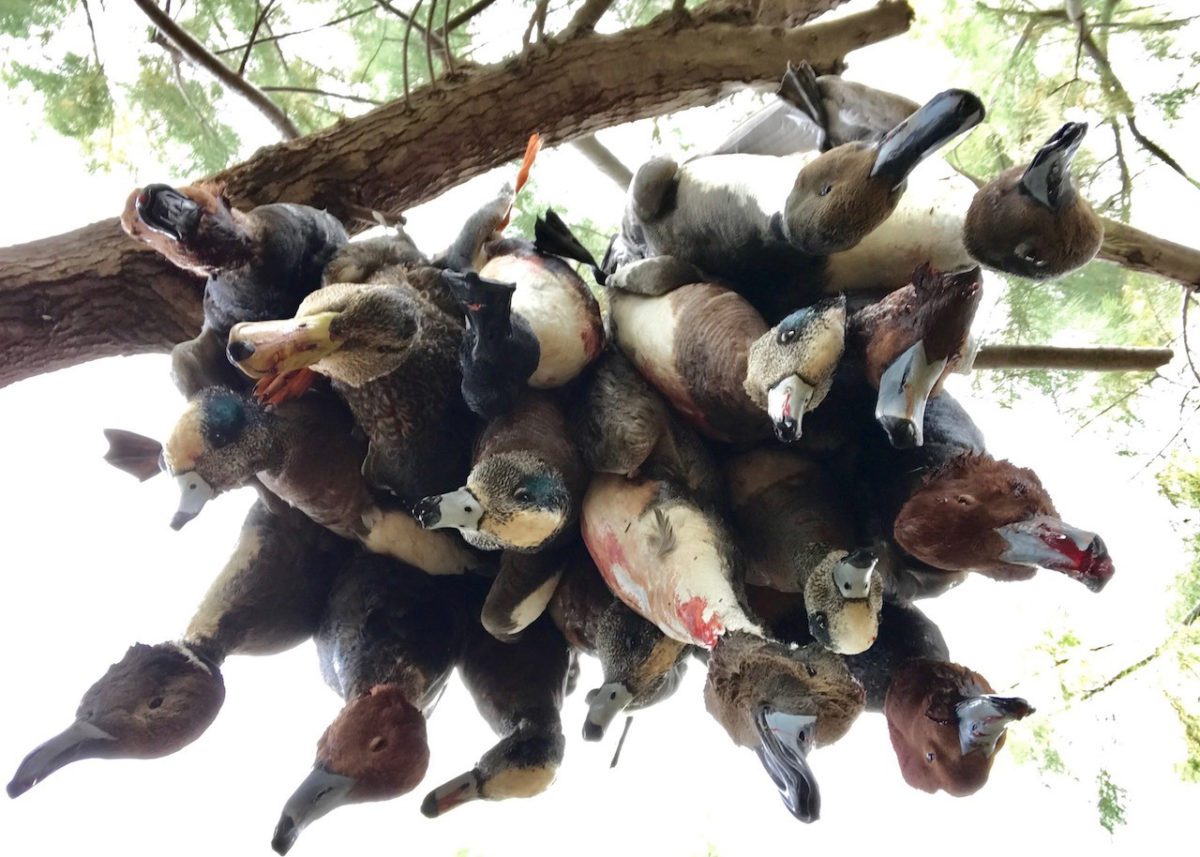
OBREGON MEXICO DUCK HUNTING COMBO
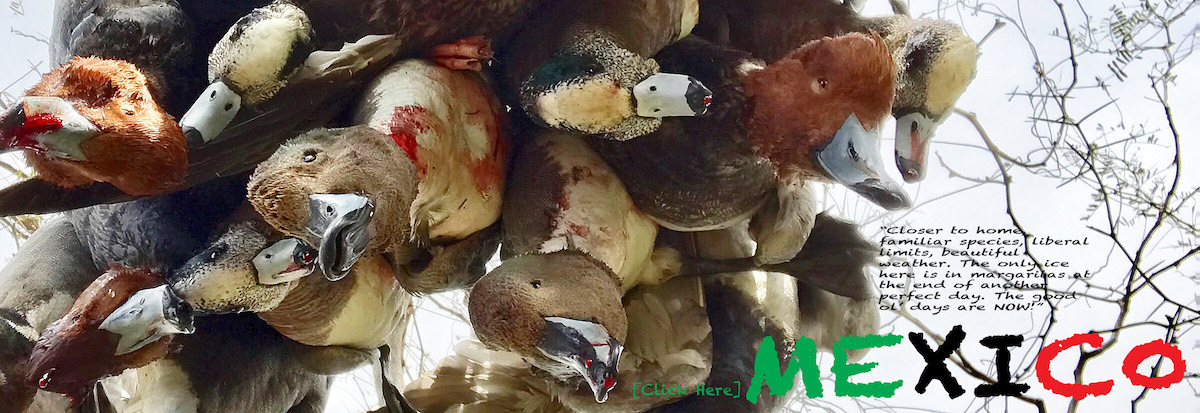
Our #1 hunt and for very good reason – GetDucks.com’s All-inclusive package includes everything but ammo! As featured on World of Beretta and in Wildfowl Magazine. Liberal bag limits for ducks to include Cinnamon Teal, Mexican Mallard, much more! Add fast-paced white-winged dove hunting, rod-bending lunker largemouth bass fishing, Pacific brant hunting (limited) or Elegant Quail and Gambel’s Quail shooting for a super combo. Peaks in January-February. This hunts book out quickly each year. Limited 2020 availability. Now accepting 2021 reservations.
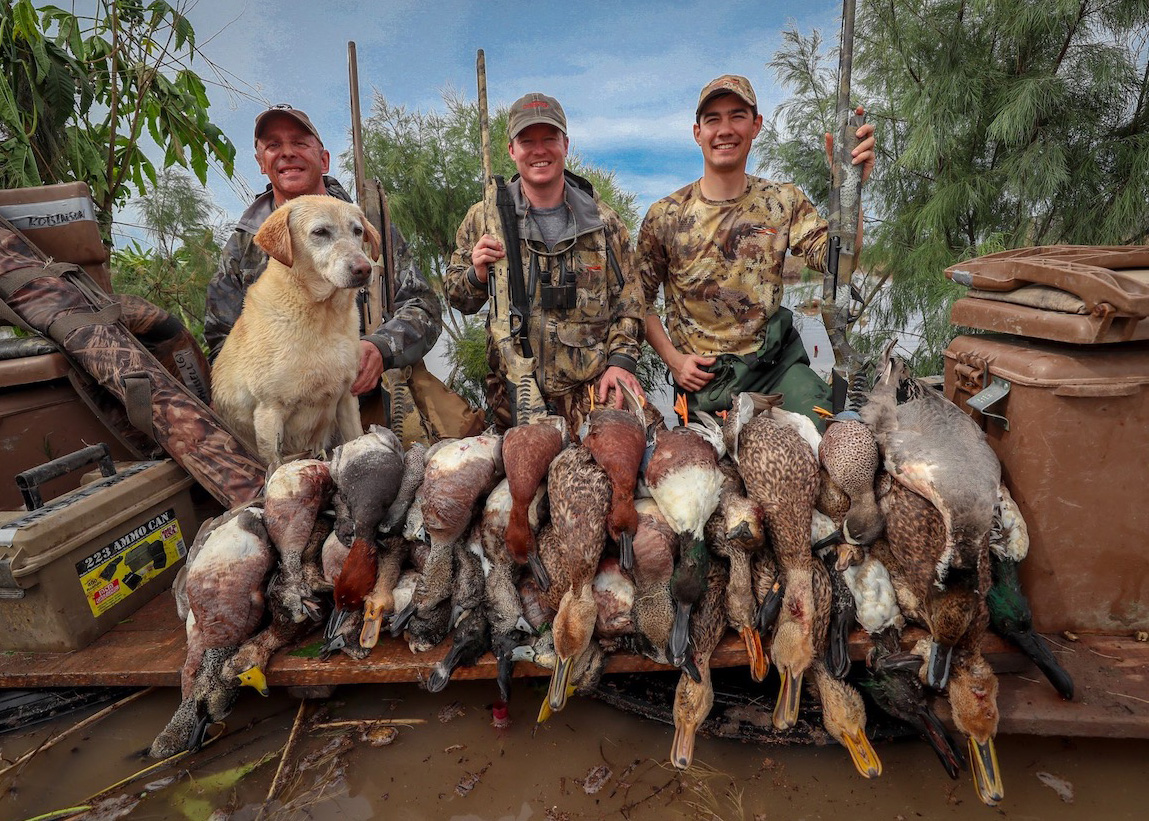
SONORA MEXICO DUCK AND DOVE HUNT
Mexico duck and dove hunt designed specifically for private groups of 4-8 to be lodged exclusively among themselves. This all-inclusive, 4-night, 3-day (6 hunts) package features pothole decoying ducks during the morning and fast-action grain-field doves during the afternoons. Guests return to well-appointed hacienda between hunts for lunch and a well-deserved siesta. Peak hunts dates are January through February. Species include northern pintail, American wigeon, Mexican ducks (aka Mexican mallards), green-winged teal, blue-winged teal, cinnamon teal and more.

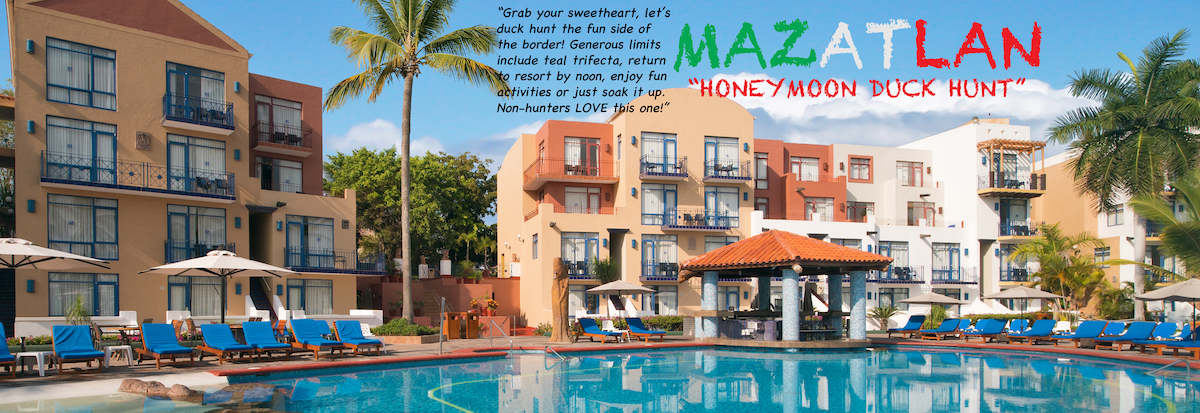
Welcome to the FUN side of the border! With over 30 years of duck hunting experience Mexico’s west coast, the staff is utmost professional, knowledgeable, delivering the best duck hunting vacation imaginable. Generous limits to include the teal trifecta and more. But pack the flip flops, sunscreen, and grab your squeeze – we don’t call this a “honeymoon duck hunt” without good reason – hunters return to the resort by noon, spending plenty quality with our better halves for the day’s remainder. Non-hunting spouses LOVE IT! Just show her the photo gallery!
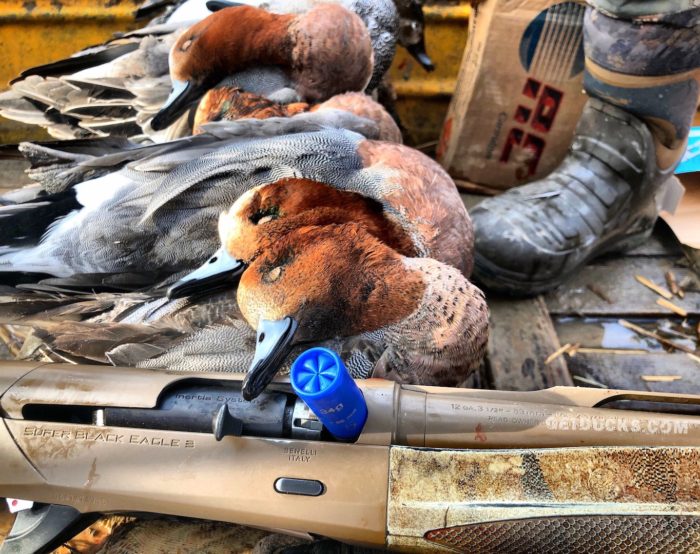
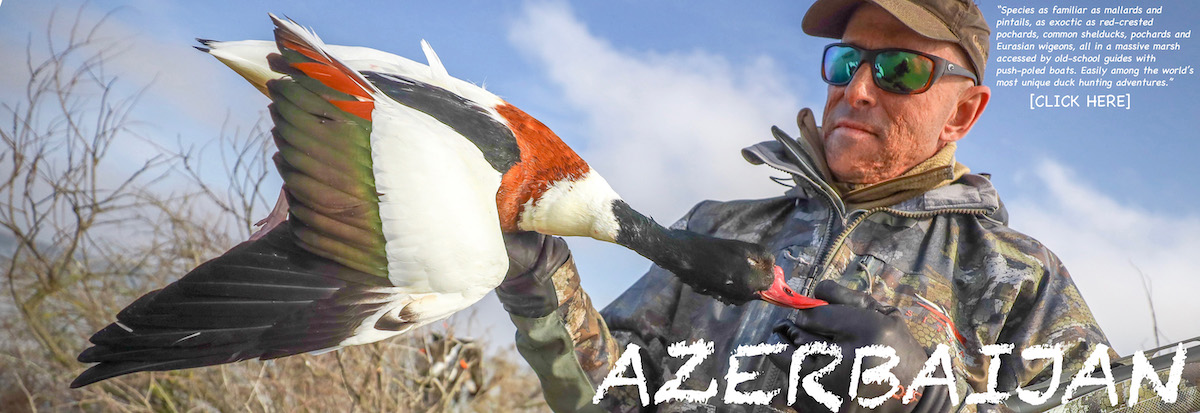
Duck hunting Azerbaijan is an incredible, deep-in-the-grass adventure in a remote, overlooked corner of the world. Huge wetlands overwinter very many waterfowl to include a diversity of unique Eurasian species such as red-crested pochards and more Eurasian wigeons than you’ve ever imagined. Introduced in 2018, duck hunting Azerbaijan is a rare experience like none other and is available exclusively through Ramsey Russell’s GetDucks.com.
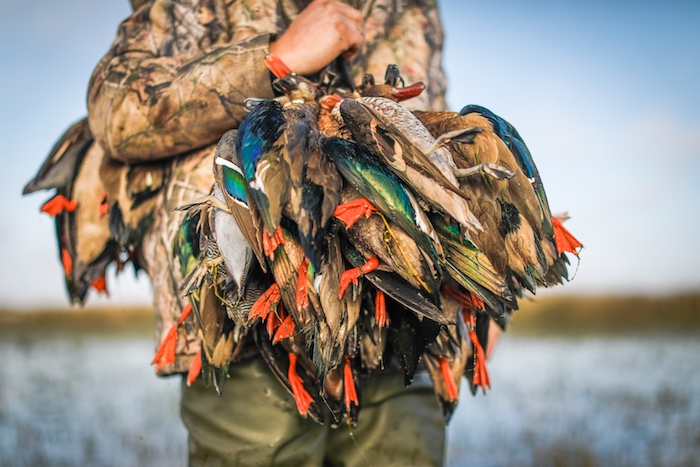
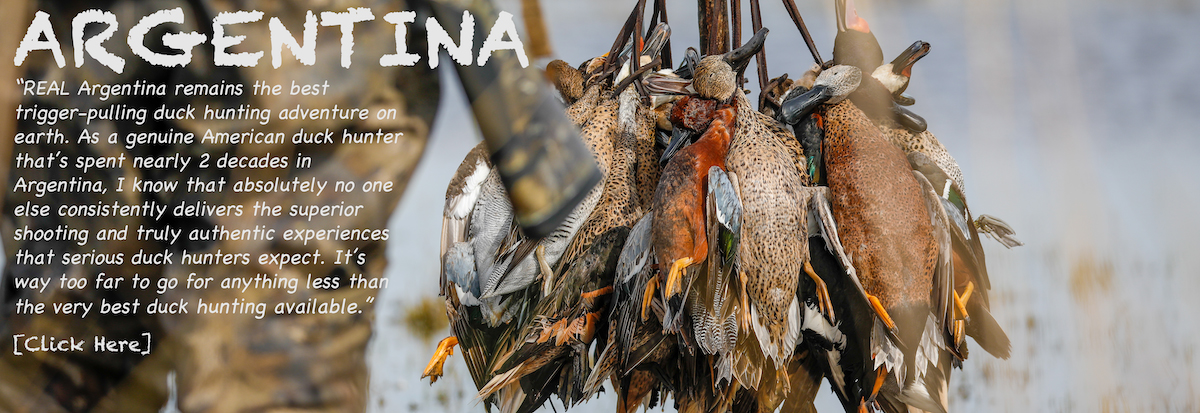
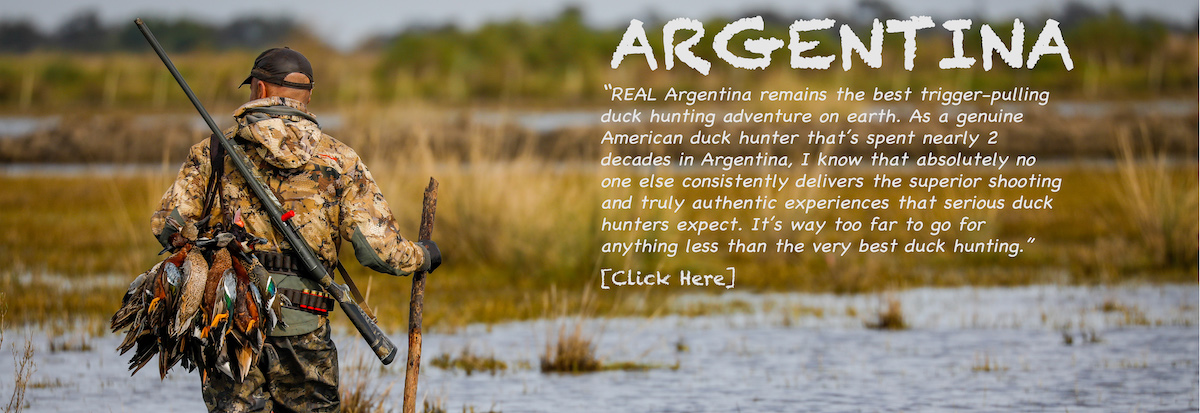
Our brand of Argentina duck hunting favors exceptional hunting above all else. Not all Argentina ducks hunts are equal – after 17 years of exploring, these have proven to be very best. Period. Our outfitters are utterly committed to high-quality wingshooting in a friendly, authentic environment. Forget over-priced transfer fees and other frivolous add-ons. Save your money for things that really matter – mas cartuchos! Choose ducks, more ducks, or duck combos. After more than a decade of specializing in duck hunting trips, we’ve amassed the perfect collection of real Argentina duck hunting trips for true hunters. As genuine American duck hunters ourselves, we know real duck hunting.
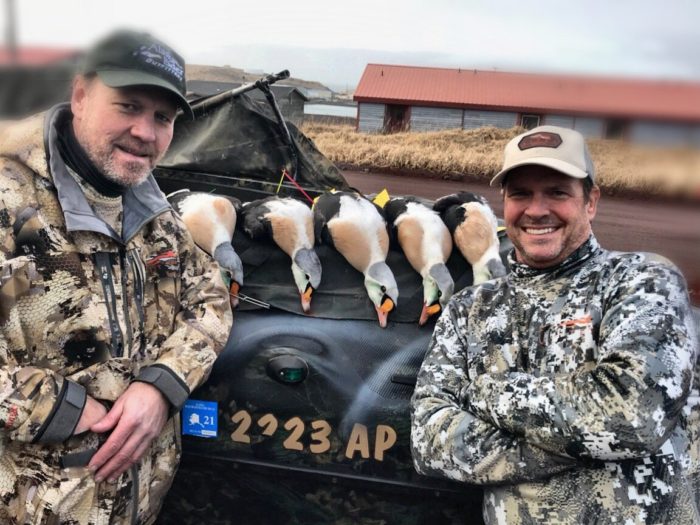
Best Alaska King Eider Hunt available. Period. Delivered 100% success on trophy kings for each of the past 7 years. Our team is available at all times before, during and after your hunt to ensure the smoothest possible travel because this is a trip to remote Alaska in January, to to Arkansas! In addition to king eiders, guests should expect to target long-tailed ducks and harlequins. White-winged scoters are possible. Pacific common eiders are rarely taken. Alaska king eider hunt is the trip of a lifetime for the pinnacle of North American waterfowl trophies. Now booking 2020 (limited) and 2021 dates.
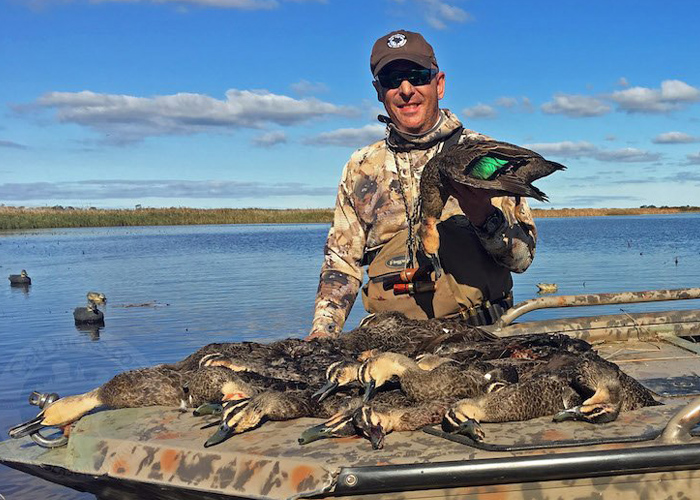
Australia Duck Hunting is a continuation of unchartered waterfowling adventures provided exclusively by GetDucks.com, and like many of our other off-the-beaten-path destinations, duck hunting in Australia provides an immersive experience for only 1-3 guests per session in a laid back, highly-interpersonal atmosphere – guide-staff comfortably feels more like falling in among long-lost friends than staying in a bustling hotel.
A fun “run-and-gun” itinerary allows guests to experience the maximum number of habitats and to shoot the maximum diversity of waterfowl species available.
Destinations
Argentina
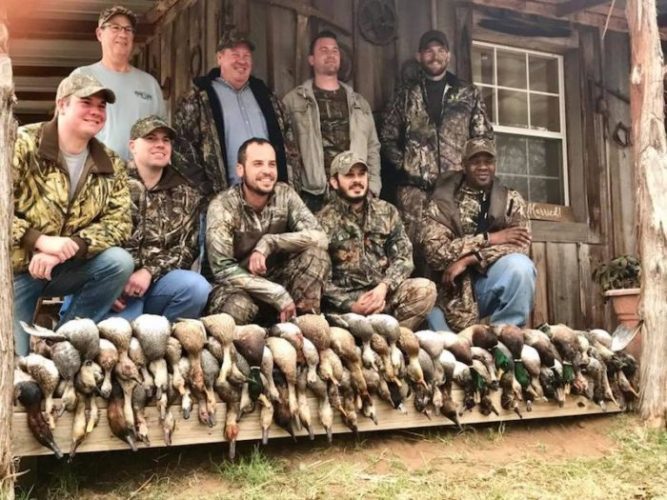
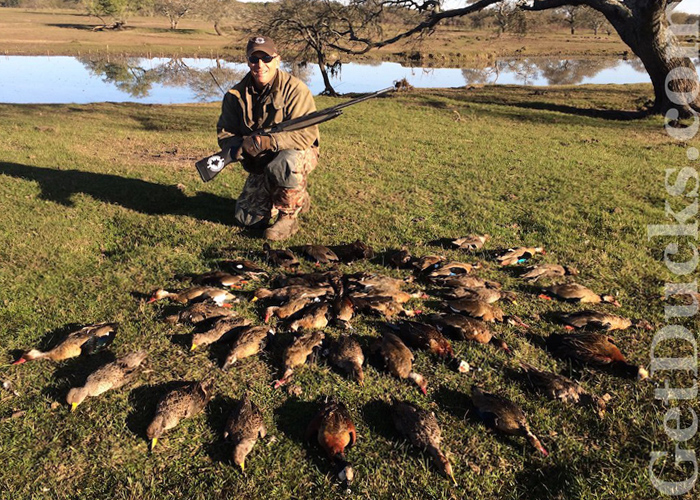
Consistent shooting, generous duck limits, lodging, dining and service - Browse Argentina hunts
Mexico
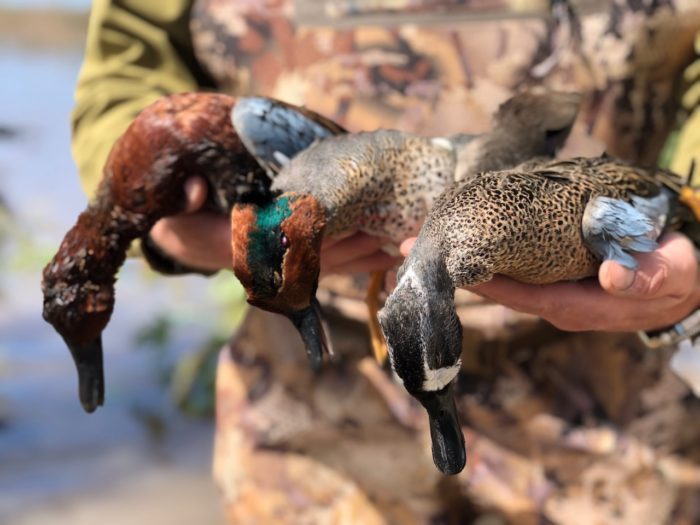
Ramsey Russell's collection offers the proven best Mexico duck hunting experiences available for collectors and hunting enthusiasts. - Browse Mexico hunts
Sea Duck Hunting
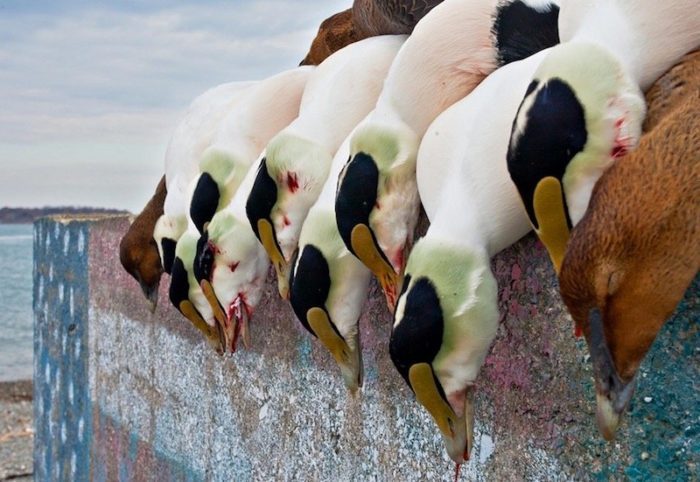
Harlequins, Pacific Eiders, Barrows’s and Common Goldeneyes, Atlantic Ediers and majestic King Eiders - Browse Sea Duck Hunting hunts
Get Ducks Gear
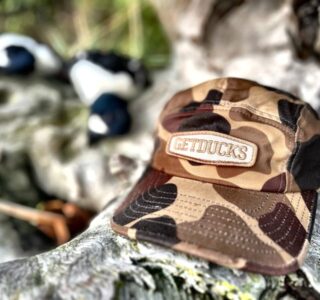
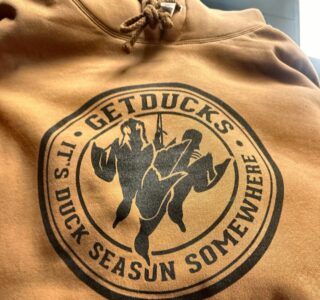
GetDucks Tobacco Logo Hoodie...
Original price was: $67.99.$47.99Current price is: $47.99.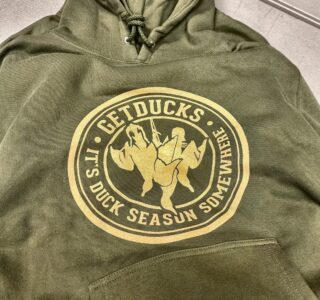
GetDucks Moss Logo Hoodie...
Original price was: $67.99.$47.99Current price is: $47.99.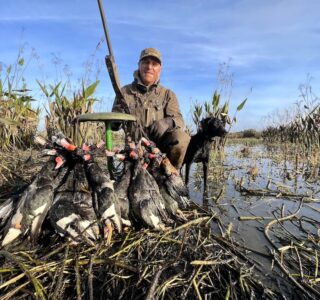

Trip Insurance
$135.00 – $575.00Guest Appearance Podcasts
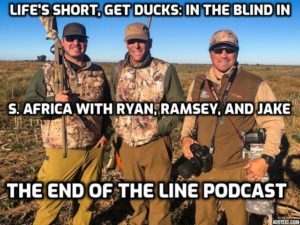
LIFE’S SHORT GETDUCKS: IN THE SOUTH AFRICA DUCK BLIND
In this edition of The End Of The Line podcast, I am joined by Ryan Bassham, Ramsey Russell, and Jake Latendresse from South Africa. We talk about the waterfowl hunting there and the different species the guys are seeing. How do they do it differently down there? What does the landscape remind them of? Then, […]

Ramsey Russell – Hunting Ducks Across the Globe!
On today’s episode, Elliott and I are joined by Ramsey Russell, GetDucks.com. We discuss everything from his Duck Hunting Travels and much, much more!

The Greatest Stories Of Making Great Men
In this edition of The End Of The Line podcast, we look back on some of the greatest moments that made some of the great men that have been on the podcast. First, we start of with Pat and Patrick Pitt. They tell the story of Pat having a heart attack while duck hunting and […]
Jeff and Andy are joined by die hard waterfowl hunter, Ramsey Russell from getducks.com. The guys look at Ramsey’s travels from the previous waterfowl season and discuss how Covid impacted his time on the road, what is leading to the changes in duck behavior, and where his all time favorite destination is to hunt ducks.
LIFE’S SHORT GETDUCKS: RUSSIA, THE FINAL CHAPTER
In this edition of The End Of The Line Podcast, Ramsey Russell joins me from a Wyoming duck hunting lodge. We talk about his duck hunting Nebraska and Wyoming on the road trip. Are they asking where the ducks and geese are out there? Find out what Ramsey is hearing from the professionals out west. […]
Life’s Short, Get Ducks Part VII: The Waterfowler
In this edition of The End of The Line Podcast, Ramsey and I get together for part seven of the “Life’s Short, Get Ducks” series. We talk about Ramsey’s perspective the day Pat Pitt had his heart attack. Ramsey tells a couple of stories of his and Pat’s hunting travels. Then, we talk a little […]
Life’s Short, Get Ducks: Eating Ducks and Who Cares What Somebody Shoots, Wears, or Drives?
Rocky Leflore is joined by Ramsey Russell to talk about why duck meat gets a bad name and how to fix it right. We then talk about why anybody cares how or what somebody else uses in waterfowl hunting.
HPOutdoors Episode #79: Ramsey Russell of GetDucks.com
This week on the show we’re talking with Ramsey Russell of GetDucks.com about hunting waterfowl around the world.
Photo Galleries

US Hunt List Hunts
New England Sea Duck Hunting
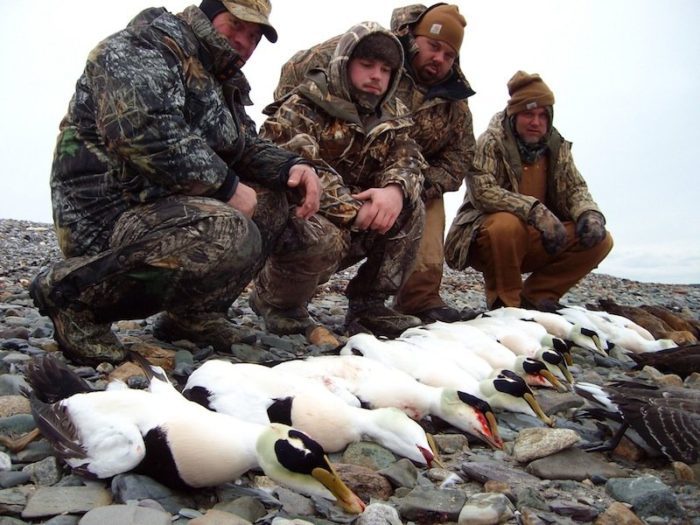
World renown for its eider hunting, New England waterfowling offers an incredible change of scenery and is an excellent place to check off lots of North America waterfowl species. RPM Outdoors specializes in making your hunt priorities a reality.
See more about New England Sea Duck Hunting
Nebraska Duck Hunt
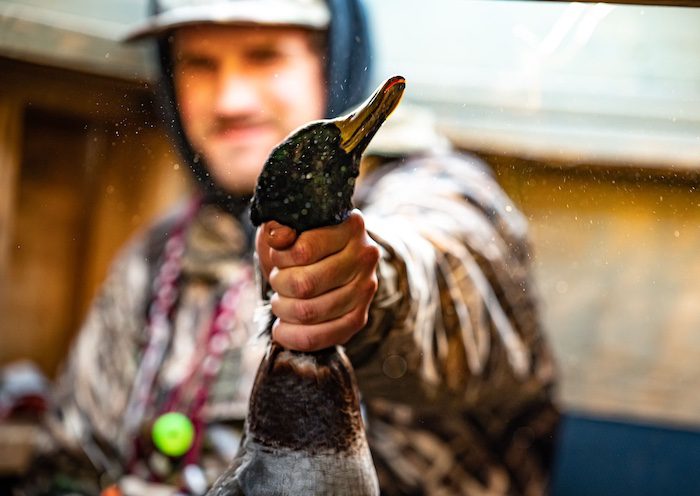
World-class Nebraska duck hunting targeting mallards and Canada geese in the fabled North Platte River Valley. Long-time professional outfitter has a proven track-record for success in Nebraska and Wyoming.
See more about Nebraska Duck Hunt
Saskatchewan Canada Waterfowl Hunts
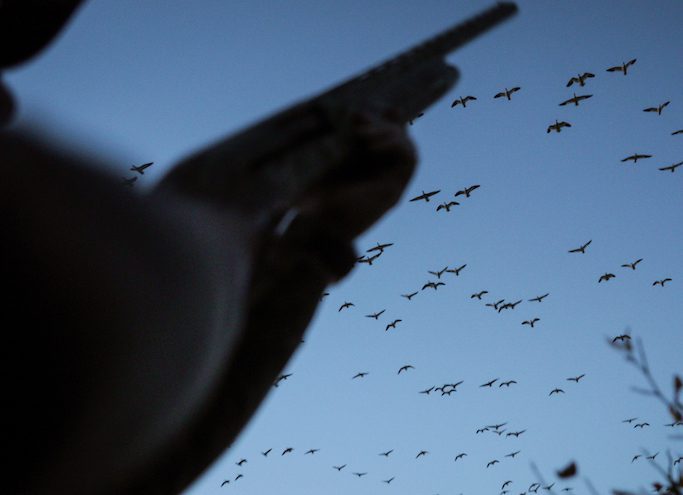
Prairie Limits Outfitters delivers superior Saskatchewan Canada waterfowl hunts in "The land of Living Skies."
See more about Saskatchewan Canada Waterfowl Hunts
Texas Goose Hunting – Panhandle
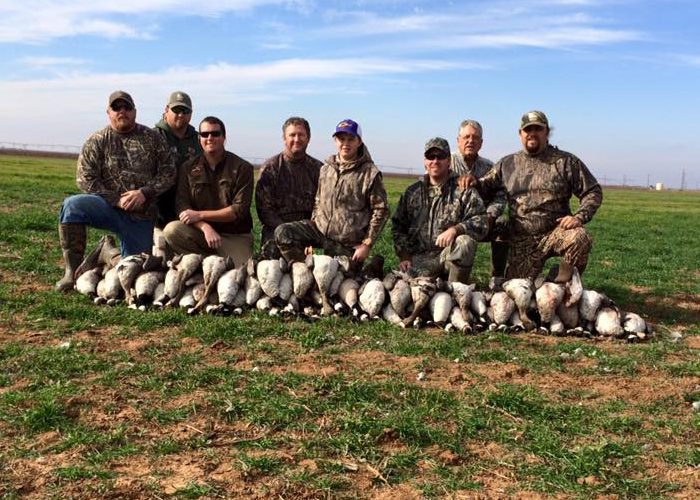
Texas goose hunting the west Texas panhandle remains America's best kept secret. Countless, shallow playa lakes in a landscape of agriculture provides perfect overwintering habitat for thousands of geese, ducks and sandhill cranes.
See more about Texas Goose Hunting – Panhandle
Missouri Duck Hunting
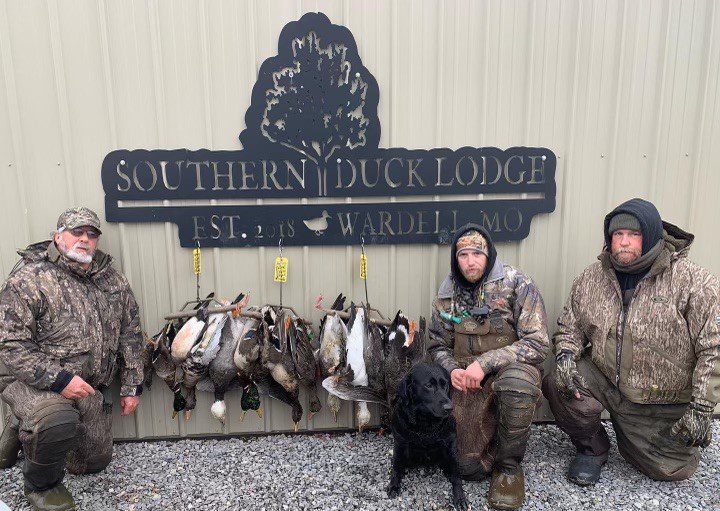
Missouri is usually where many mallards hang out until until hard water and snow cover finally drives drive them further south.
See more about Missouri Duck Hunting
Wyoming Waterfowl Hunting
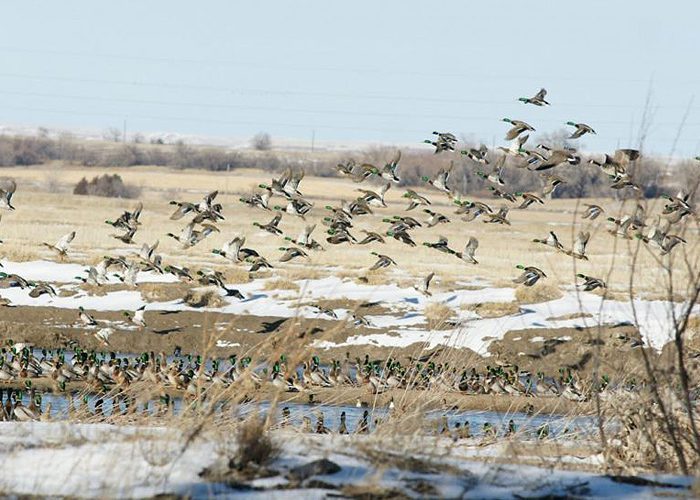
World-class hunting for mallards and Canada geese along the legendary North Platte River in Wyoming-Nebraska with long-time professional outfitter that has a proven track-record for success.
See more about Wyoming Waterfowl Hunting
Alberta Canada Duck and Goose Hunt
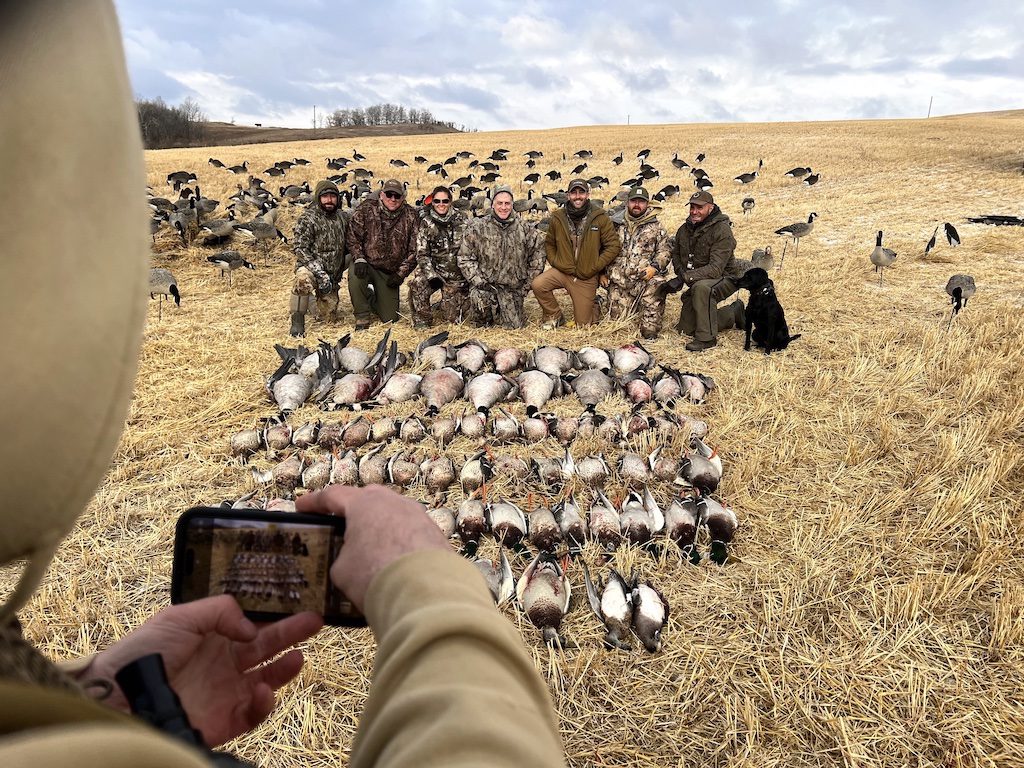
Ranchland Outfitters best-of-best Alberta Canada Duck and goose hunting packages feature excellent waterfowl hunts, world-class food, unrivaled hospitality.
See more about Alberta Canada Duck and Goose Hunt
Check out more great US Hunts at US Hunt List
![MY SELF IN MEXICO. Hunters from all walks of life and coast to coast, ranging from experienced travelers to first-timers, describe their off-the-beaten-path, south-of-the-border Nayarit Mexico duck and dove hunting adventure. Whether just wondering what hunting is like beyond your own backyard, or thinking about chasing ducks further south one day, you’ll enjoy these honest conversations. [DUCK SEASON SOMEWHERE PODCAST EP 466. The NEW Nayarit Mexico Duck Hunting Combo.] Link in bio. @ramseyrussellgetducks #getducks #itsduckseasonsomewhere #mexicoduckhunting](https://www.getducks.com/wordpress/wp-content/plugins/instagram-feed/img/placeholder.png)
GetDucks™ on FB Today
Newsletter Signup
Save money and time with exclusive offers made available first to our newsletter subscribers. A few times each year GetDucks offers one-of-a-kind hunt programs and special rate promotions via email. Subscribe below to receive this information before eveyone else.




As strong advocates of conservation, GetDucks.com supports the following organizations:


On GetDucks.com
Get Ducks Brochure
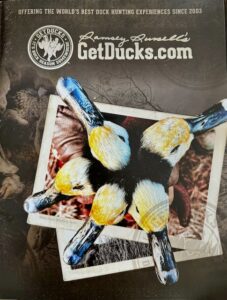 Want to receive a new GetDucks.com Brochure?
The new 36-page, full color GetDucks.com brochure is loaded with photography from the world’s best duck hunting adventures, to include trip summaries, available bird species, testimonial reviews and much more.
View NEW Full-color brochure online: Ramsey Russell’s GetDucks.com Catalog Contact us to receive a hi-res printed copy.